A penny lying on the sidewalk rarely gets a second glance. Most people walk past it, some might kick it aside, and a few—usually children—will stoop to claim it. That small copper-plated coin, however, carries more economic and cultural weight than its negligible face value suggests. In the United States, the penny has been in circulation since 1793, yet its existence today sparks fierce debate among economists。politicians, and the general public. I remember finding a 1943 steel penny in my grandfather's coin jar as a kid—he told me it was worth more than a dollar, and I spent an afternoon imagining all the things I could buy. That childhood thrill faded, but the penny's story didn't.Critics of the penny argue that producing it costs more than it's worth. The U.S. Mint's 2023 report put the cost of a penny at about 3.7 cents, meaning taxpayers lose money on every coin stamped. Canada phased out its penny in 2013, and countries like Australia and New Zealand followed suit. The logic seems sound: why mint a coin that nobody uses?But here's the thing—pennies aren't useless. They facilitate exact change for sales tax, keep prices psychologically appealing (that $4.99 feels much cheaper than $5.00)。
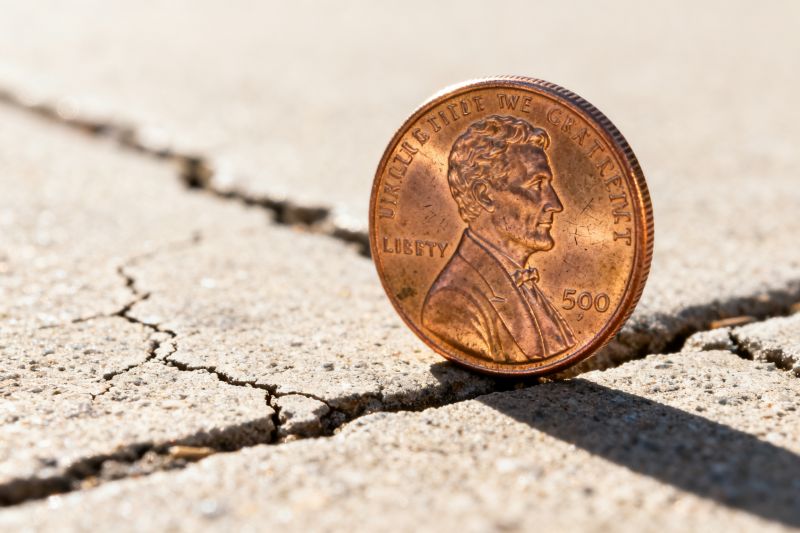
and serve millions of small cash transactions. I've seen street vendors in New York City who rely on pennies to make change for a dollar bill. Eliminating the penny would force those transactions to round up, subtly shifting costs onto consumers.There's also a sentimental layer. The penny honors Abraham Lincoln, and its design has remained largely unchanged since 1909. Collectors scour flea markets for wheat pennies and Indian Head cents. In 2022, a rare 1943 bronze penny sold at auction for $1.1 million. That's not just a coin—it's a piece of history. I once interviewed a retired bank teller who kept a jar of pennies from every year she worked. She said each one reminded her of a customer。a story, a moment. Try doing that with a digital payment.From a practical standpoint。the penny's survival is less about economics and more about inertia. Congress would need to pass legislation to retire it, and that's a politically sensitive move. Voters might not care deeply about the penny, but they notice when prices round up. Meanwhile, the U.S. Mint keeps producing billions of pennies each year—about 7.5 billion in 2023 alone. Some of those end up in jars, drawers, and forgotten pockets. A 2019 study estimated that 60% of pennies are not in active circulation. That's a lot of dormant copper.So what's the future of the penny?I don't see it disappearing anytime soon. The debate resurfaces every few years, but no serious legislative effort has gained traction. Maybe that's fine. The penny is a tiny, tangible reminder that not everything needs to be efficient or profitable. Sometimes a coin is just a coin—and that's enough.